
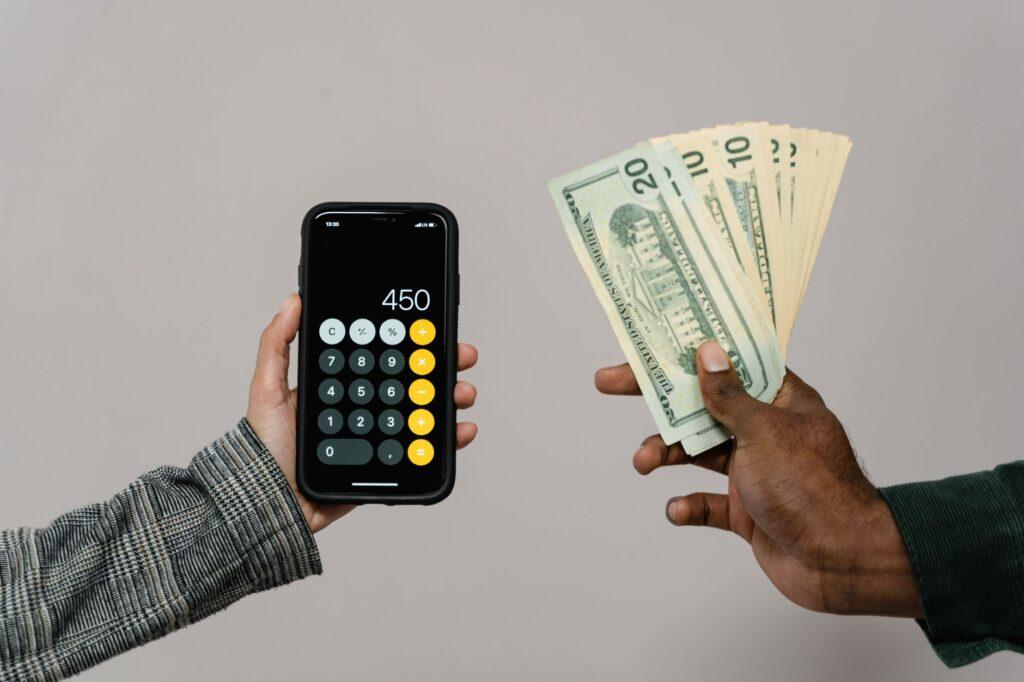

Taming the Couple Chaos: How Budgeting Apps Make Sharing Money Less of a Headache
When my partner and I first started pooling our money, it felt like a minefield. We’d have these awkward conversations about who owed whom for groceries, or that one night out that got a little too expensive. It was honestly maddening. Then we discovered budgeting apps, and it was like a lightbulb went off. These tools aren’t just for tracking your own spending; they’re absolute lifesavers when you’re managing finances with someone else. Imagine a single, shared dashboard showing all your income, expenses, and savings goals. That’s what a good budgeting app can do for you.
My biggest shock came when I realized how much we were both overspending on impulse buys. A budgeting app like YNAB (You Need A Budget) forces you to assign every dollar a job. So, when we saw a combined $300 mysteriously disappear into “miscellaneous” in a single month, we actually had to talk about why. We’d be looking at the app’s spending reports, and one of us would say, “Wait, did you buy that new gadget?” or “I thought we agreed to hold off on restaurant meals this week.” It’s not about finger-pointing; it’s about transparency and accountability.
One of the most frustrating things about managing shared finances without an app is the sheer mental load. You’re trying to remember who paid for what, reconcile different bank accounts, and then try to have a calm discussion about it later. It’s exhausting! Apps like Mint connect to your bank accounts and credit cards automatically, pulling in all your transactions. You can then categorize them, set spending limits for different categories, and see your net worth in real-time. It takes so much of the guesswork out of it.
Of course, it’s not all sunshine and roses. The biggest downside to using budgeting apps for shared finances is the potential for a power imbalance. If one person controls the app and the access, the other person might feel left in the dark. This is why open communication is still key, even with the best technology. You both need to be comfortable logging in, seeing the numbers, and discussing the budget. We had to set up a rule: every Sunday, we sit down for fifteen minutes and review the app together. No exceptions.
Think about splitting bills. Instead of Venmo requests flying back and forth for every single utility bill or rent payment, you can often set up bill payments directly through the app or at least track who’s responsible. Apps like Honeydue are specifically designed for couples, allowing you to link your accounts and even send messages within the app about specific transactions. You can easily see who paid the internet bill last month and who’s up this month. It sounds simple, but it eliminates so many small, irritating disputes.
Honestly, my partner and I used to argue about money way more before we got serious about using a budgeting app. Now, we see the big picture. We’re working towards shared goals, like saving for a down payment on a house or planning a big vacation. The app shows us our progress visually, which is incredibly motivating. Seeing that savings goal bar inch closer to full is way better than arguing over who forgot to pay the electric bill. It allows us to be a team, rather than two individuals with separate, often conflicting, financial lives.
The initial setup can feel overwhelming, I won’t lie. Connecting all your accounts, categorizing past transactions, and agreeing on budget categories might take a weekend. But once that’s done, the ongoing maintenance is usually pretty minimal. Most budgeting apps have smart features that learn your spending habits, automatically categorizing recurring bills or common purchases. You’ll still need to check in, of course, but it’s a far cry from manually entering every receipt into a spreadsheet.
Ultimately, relying on a budgeting app to manage your shared finances might just be a way to outsource the annoying parts of being financially coupled, leaving you more time to focus on the actual relationship part.