
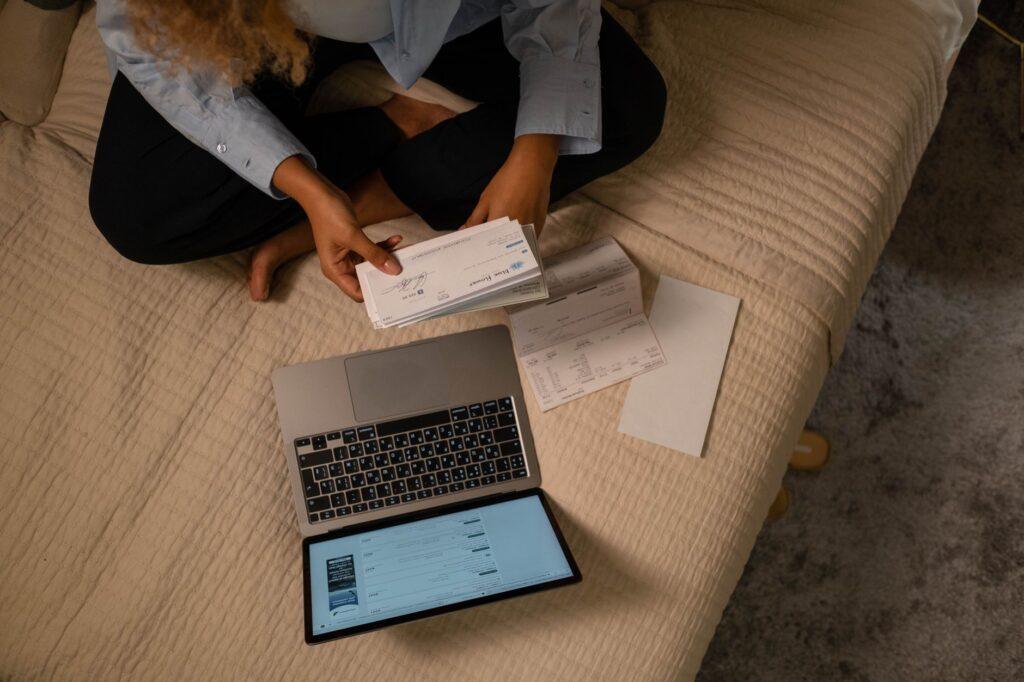

Your Money’s Weekly Tune-Up: Keeping Your Finances in Sync
I remember a time when my bank account felt like a runaway train. Bills piled up, unexpected expenses popped out of nowhere, and I had absolutely no clue where my money was actually going. It was pure chaos. That’s why I’m such a huge believer in budget check-ins. It’s not about rigid restriction; it’s about understanding your financial landscape. Think of it as a regular tune-up for your finances, ensuring everything runs smoothly and you’re not blindsided by surprises. Without these regular financial check-ups, it’s easy to drift into financial disharmony.
My absolute favorite budget check-in method, the one that really changed things for me, is the weekly “money date.” It sounds a little cheesy, I know, but it’s incredibly effective. Every Sunday evening, for about 30 to 60 minutes, my partner and I sit down, grab a cup of coffee, and just talk about our money. We review last week’s spending, categorize it using our budgeting app (we use YNAB – it’s not free, but totally worth it for us), and then we look ahead at the upcoming week’s expenses and income. This simple act of communication and review has saved us from so many potential arguments and financial missteps. It’s about being proactive, not reactive.
Another solid strategy is the “envelope system” for cash expenses. While many people think this is a bit old-school, it has a tangible psychological effect. You physically divide your cash into envelopes labeled for different spending categories: groceries, entertainment, gas, etc. Once an envelope is empty, you’re done spending in that category for the week or month. It’s incredibly effective for curbing impulse buys, especially when you’re trying to stick to a tighter budget. For example, if you’ve allocated $100 for dining out and you’ve spent it all, that final envelope is empty, and you know you can’t go out again until the next cycle.
Now, here’s a big criticism, and it’s a legitimate one: the sheer time commitment can feel daunting. For some, dedicating an hour each week might feel like too much. And if you’re already swamped with work, family, and social obligations, adding another “task” can feel overwhelming. This is where people often fall off the wagon. The key, I’ve found, is to start small. Maybe begin with a 15-minute check-in to just look at your bank statement and credit card activity. You can gradually increase the time as you get more comfortable and see the benefits.
For those who prefer a less hands-on approach, automated budgeting tools are fantastic. Platforms like Mint or Personal Capital can link directly to your bank accounts and credit cards, automatically categorizing your transactions. They provide visual charts and graphs that make it super easy to see where your money is going. You can set spending alerts, track your net worth, and even get personalized financial advice. I’ve seen people completely transform their financial habits just by setting up these automated systems and checking the dashboards a couple of times a week. It’s almost like having a personal finance assistant working for you 24/7.
The biggest downside to all of this, though, is that it requires discipline. You can have the best tools and the most organized system, but if you don’t actually do the check-ins or heed the information they provide, it’s all for naught. I’ve definitely been guilty of looking at my budget report, seeing I’m overspending in a category, and then just… ignoring it. It’s a real struggle to resist those immediate gratifications for long-term financial health. It takes a conscious effort to change ingrained spending habits.
Honestly, a surprising number of people don’t even know their credit score. Did you know that your credit score can significantly impact your ability to get loans, rent an apartment, or even get certain jobs? Regularly checking your credit reports through sources like the Consumer Financial Protection Bureau is an essential part of your financial harmony check-in. You need to ensure there aren’t any errors or fraudulent activity that could be dragging your score down. It’s not strictly a budget item, but it’s undeniably tied to your overall financial well-being.
Ultimately, the “best” budget check-in method is the one you’ll actually stick with. Whether it’s a detailed spreadsheet, a fancy app, or just a notebook and pen, the goal is consistent awareness. It’s about building a relationship with your money, not just treating it as a tool to be used and forgotten. Ignoring your finances is like ignoring a leaky faucet; it might seem small at first, but it can lead to significant damage down the road, potentially costing you thousands of dollars.